
In today’s digital world, businesses must adapt quickly to survive and grow. One of the best ways to achieve long-term success is through E-commerce for business. From small startups to large companies, every business now uses online platforms to connect with customers, increase sales, and build a strong brand presence.
E-commerce has changed the way people shop. Customers prefer convenience, fast delivery, and easy payment options. As a result, businesses that move online gain a major advantage over competitors. In this article, you will learn how E-commerce for business helps companies grow, attract customers, and increase profits.
What is E-commerce for Business?
E-commerce for business refers to buying and selling products or services through online platforms. Businesses use websites, mobile apps, and online marketplaces to reach customers worldwide. Instead of depending only on physical stores, companies can now operate 24/7 through digital channels.
Popular examples of e-commerce platforms include online fashion stores, food delivery apps, and digital service websites. These platforms make shopping simple, fast, and secure.
Why E-commerce is Important for Business Growth
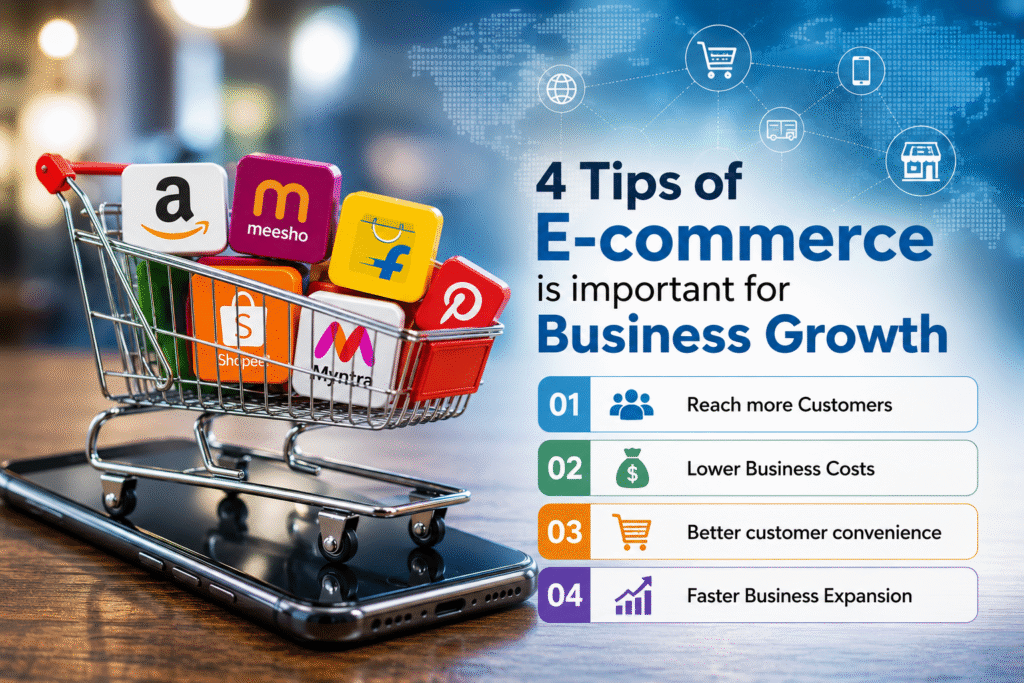
E-commerce offers many benefits that help businesses grow faster. Let’s explore the most important advantages.
1. Reach More Customers
Traditional businesses often depend on local customers. However, e-commerce removes location barriers. A business can sell products to customers across different cities, states, or even countries.
For example, a small clothing store in India can easily receive orders from customers in the USA, Canada, or the UK through an online website. As a result, businesses increase their customer base and sales opportunities.
2. Lower Business Costs
Running a physical store requires rent, electricity, staff salaries, and maintenance costs. In contrast, an online store reduces many of these expenses.
Businesses can manage operations with fewer employees and lower investment. Moreover, digital marketing costs less than traditional advertising methods like newspapers or television ads. Therefore, companies can save money while earning higher profits.
3. Better Customer Convenience
Customers love convenience. E-commerce allows people to shop anytime from anywhere. They can compare products, read reviews, and make payments within minutes.
In addition, businesses can provide multiple payment methods such as debit cards, UPI, net banking, and digital wallets. This smooth shopping experience improves customer satisfaction and increases repeat purchases.
4. Faster Business Expansion
E-commerce helps businesses expand quickly. A company can launch new products online without opening multiple physical stores.
For instance, a small skincare brand can start selling products on its website and social media pages. If demand increases, the business can scale operations without major infrastructure costs. Consequently, growth becomes faster and more manageable.
Key Strategies for E-commerce Business Growth
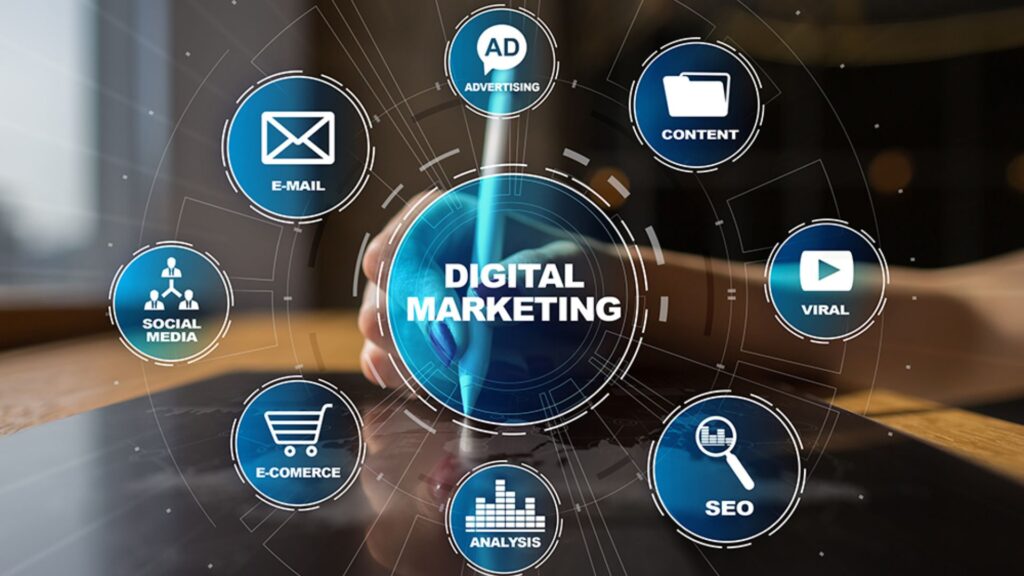
To achieve success in e-commerce, businesses must follow smart strategies. Here are some proven methods.
Build a User-Friendly Website
A professional website creates a strong first impression. Customers prefer websites that load quickly, look attractive, and are easy to navigate.
Businesses should include:
- Clear product images
- Simple menus
- Fast checkout process
- Mobile-friendly design
- Secure payment options
A smooth website experience encourages customers to stay longer and complete purchases.
Use SEO for Better Visibility
Search Engine Optimization (SEO) helps businesses appear on search engines like Google. By using the right keywords, businesses can attract organic traffic.
For example, using the keyword E-commerce for business naturally in website content improves search rankings. In addition, businesses should write blogs, optimize product pages, and create valuable content regularly.
SEO increases website traffic and helps businesses gain more customers without spending heavily on advertisements.
Leverage Social Media Marketing
Social media platforms like Instagram, Facebook, and LinkedIn are effective tools for online growth. Businesses can promote products, engage with customers, and build brand awareness. Social media also allows companies to connect directly with their target audience. Regular engagement and valuable content can improve customer trust. Short videos, product demonstrations, and customer testimonials drive higher engagement. Social media ads enable businesses to target the right audience based on age, interests, and location. This helps companies improve their marketing results and increase conversions. Influencer partnerships also help brands reach more potential customers.
This can lead to better sales opportunities. Consistent posting keeps audiences active and interested. As a result, brand visibility increases more quickly in the digital market. Conversely, businesses that overlook social media risk losing valuable customers. Overall, social media marketing is crucial for success in e-commerce.
Focus on Customer Service
Excellent customer support builds trust and loyalty. Businesses should respond quickly to customer questions and solve issues professionally.
Live chat support, email assistance, and easy return policies improve customer experience. Happy customers often recommend brands to others, which increases sales naturally.
Analyze Business Data
E-commerce platforms provide useful business data such as customer behavior, product performance, and sales trends.
Businesses can study this information to understand:
- Which products sell the most
- What customers prefer
- Which marketing campaigns perform better
As a result, companies can make smarter business decisions and improve profits.
Challenges in E-commerce Business
Although e-commerce offers many advantages, businesses also face challenges.
High Competition
Many businesses operate online today. Therefore, companies must create unique products and strong branding to stand out.
Cybersecurity Risks
Online businesses handle customer data and digital payments. Without proper security, businesses may face hacking or fraud issues.
Using secure payment gateways and strong cybersecurity systems protects both businesses and customers.
Delivery and Logistics Issues
Late deliveries or damaged products can affect customer satisfaction. Businesses should work with reliable delivery partners to ensure smooth logistics operations.
Future Trends in Digital Commerce
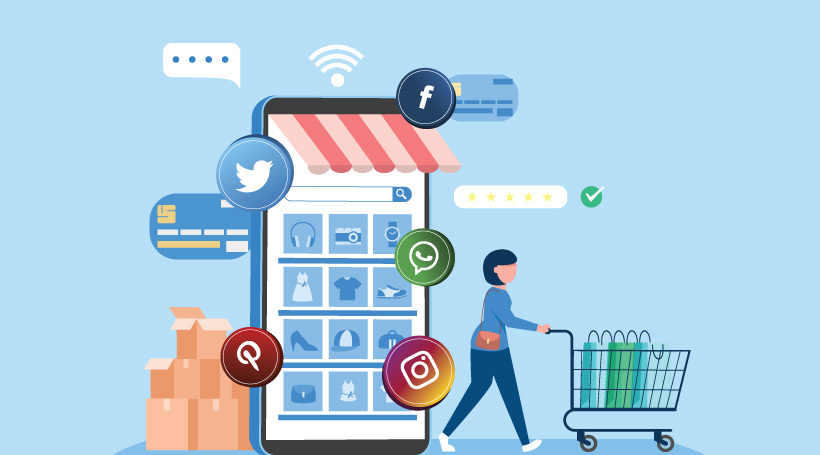
The future of E-commerce for business looks extremely promising. Technologies like Artificial Intelligence (AI), chatbots, and personalized shopping experiences are transforming online business operations.
Mobile commerce is also growing rapidly. More people now shop through smartphones, making mobile-friendly websites essential for success.
Additionally, digital payments and faster internet services continue to increase online shopping worldwide. Businesses that invest in e-commerce today will likely achieve strong growth in the future Add 12 transition words
Conclusion
E-commerce has become a powerful tool for modern business growth. It helps businesses reach global customers, reduce costs, and improve customer convenience. Moreover, smart strategies like SEO, social media marketing, and excellent customer service help businesses achieve long-term success.
In the coming years, online business opportunities will continue to expand. Therefore, companies that adopt E-commerce for business can stay competitive and grow faster in the digital marketplace.
Businesses can buy products online through Amazon Business.